

In recent years, the metal bathroom towel rack has become a symbol of both functional design and manufacturing precision. As global demand grows for bathroom hardware that combines durability, clean aesthetics, and consistent quality, manufacturers are increasingly turning to advanced automation to modernize their production lines. Central to this transformation are laser pipe cutting machines, pipe bending machines, and laser welding robots, which together form the technological backbone of contemporary towel rack manufacturing.
By integrating these intelligent systems, manufacturers are able to achieve higher accuracy, improved efficiency, and stable product quality while meeting the expectations of international markets.
Laser Pipe Cutting Machines Lay the Foundation for Precision
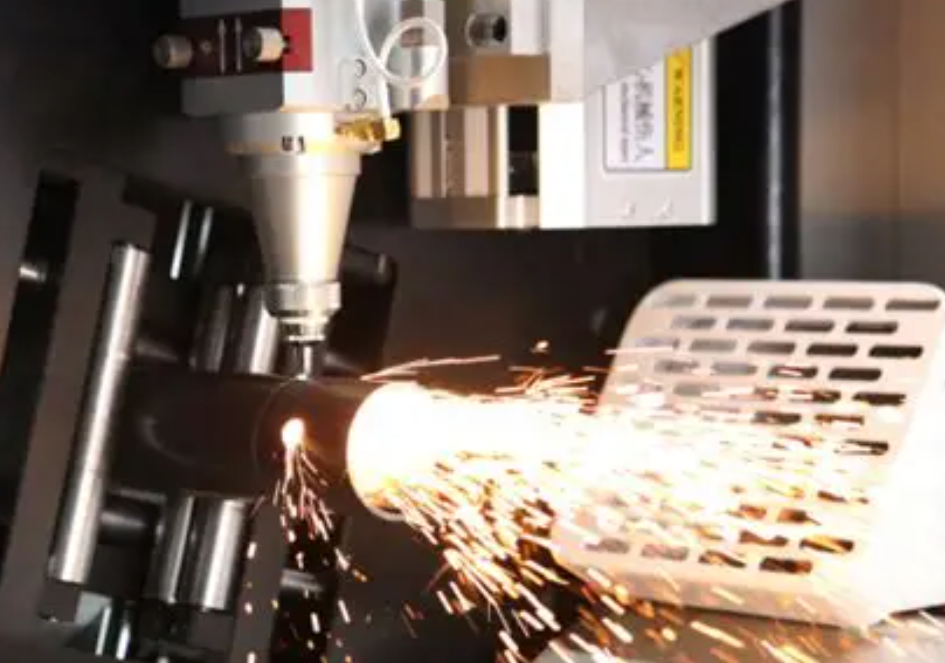
The production process of a metal bathroom towel rack begins with raw pipe preparation. The dimensional accuracy of each pipe segment directly influences the final structure, appearance, and assembly efficiency of the towel rack. Laser pipe cutting machines have become indispensable at this stage.
Unlike traditional mechanical cutting methods, laser pipe cutting machines use a high-energy laser beam to cut pipe with exceptional precision. Controlled by CNC systems, the machines follow digital design files to produce exact pipe lengths, angles, and openings. This capability is particularly important for towel racks, which often require multiple intersecting pipe components and clean, visually seamless joints.
Another key advantage of laser pipe cutting machines is edge quality. The laser produces smooth, burr-free cuts, reducing the need for secondary grinding or manual finishing. This not only shortens production time but also ensures consistent quality across large batches. In high-volume towel rack manufacturing, such consistency is essential for maintaining stable downstream processes.
In addition, laser pipe cutting machines improve material utilization. Advanced nesting software optimizes cutting patterns along each pipe, minimizing waste and supporting more sustainable production practices.
Pipe Bending Machines Shape Functional and Aesthetic Design
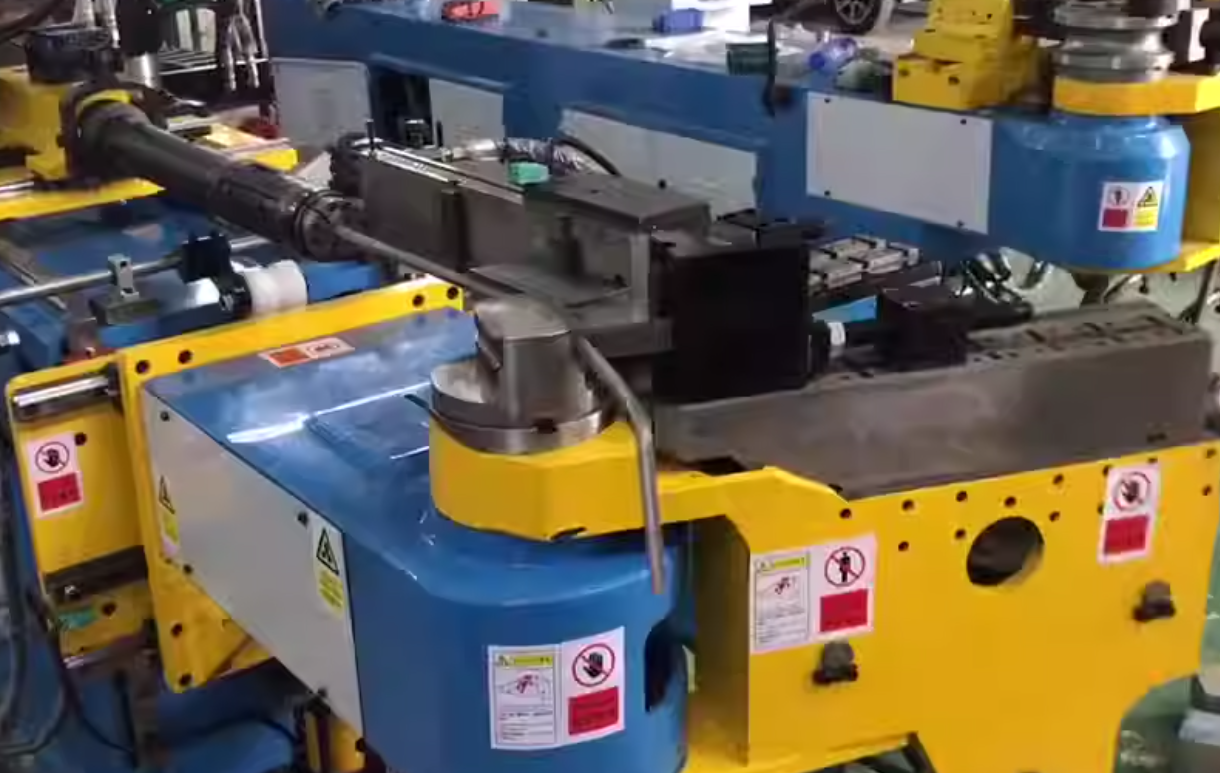
Once the pipe has been accurately cut, it moves to the bending stage. The shape of a metal bathroom towel rack—its curves, spacing, and symmetry—is largely determined by the performance of the pipe bending machine.
Modern pipe bending machines are CNC-controlled and capable of executing highly repeatable bending operations. By following precise bending programs derived from digital design data, these pipe bending machines ensure that every pipe component matches the intended geometry. This is critical for towel racks, where even small deviations in bend angle can result in assembly difficulties or visible misalignment.
To prevent deformation during bending, advanced pipe bending machines use internal support systems such as mandrels and pressure dies. These components help maintain the pipe’s cross-sectional integrity, preventing flattening or wrinkling.
Furthermore, intelligent pipe bending machines can perform multiple bends on a single pipe in one setup. This reduces handling time, minimizes cumulative errors, and enables manufacturers to produce more complex towel rack designs efficiently.
Laser Welding Robots Ensure Structural Integrity and Consistency
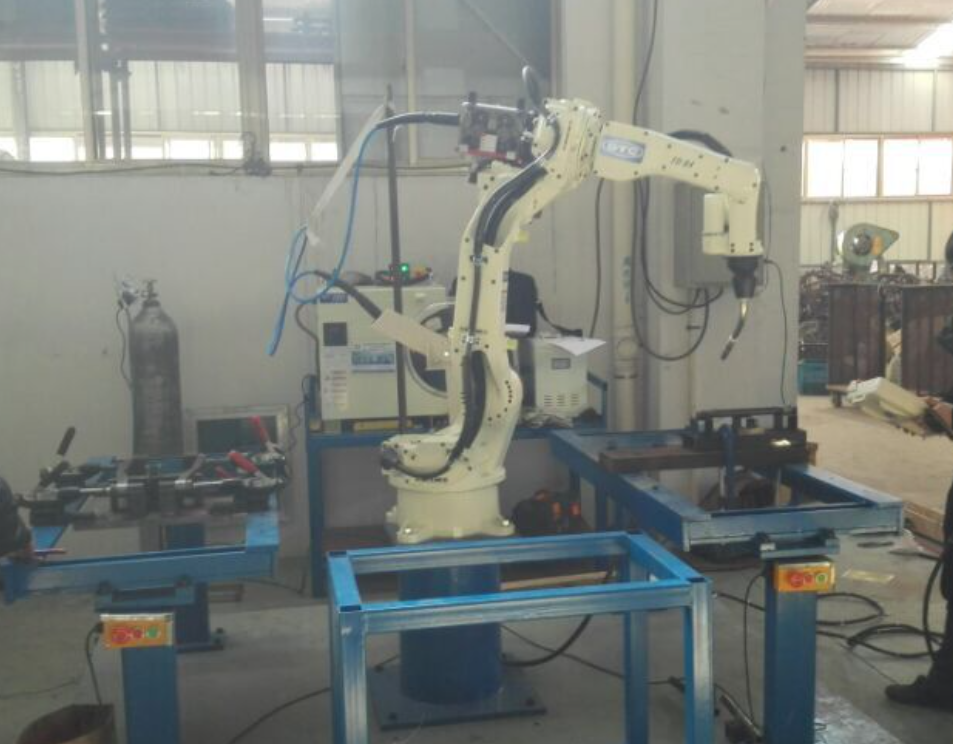
After cutting and bending, individual pipe components must be assembled into a complete metal bathroom towel rack. This assembly stage relies heavily on laser welding robots, which have largely replaced manual welding in modern production environments.
Laser welding robots are programmed to join pipe components with high accuracy and repeatability. Using pre-defined welding paths and parameters, they deliver consistent weld penetration and bead appearance across every unit produced. This level of consistency is difficult to achieve with manual welding, especially in high-volume production.
For towel racks, weld quality is both a structural and aesthetic concern. Poor welds can weaken the pipe structure and remain visible even after surface finishing. Laser welding robots minimize these risks by maintaining stable welding conditions and precise torch positioning throughout the process.
In addition to quality improvements, laser welding robots significantly increase production efficiency. The laser welding robot can operate continuously with minimal downtime, supporting higher output while reducing dependence on skilled manual welders. At the same time, automation improves workplace safety by limiting human exposure to welding heat, fumes, and arc radiation.
Integrated Automation Drives Quality and Market Competitiveness
The true strength of modern towel rack manufacturing lies in the integration of laser pipe cutting machines, pipe bending machines, and laser welding robots into a unified production system. Digital continuity between design and manufacturing ensures that data flows seamlessly from one process to the next, reducing errors and improving traceability.